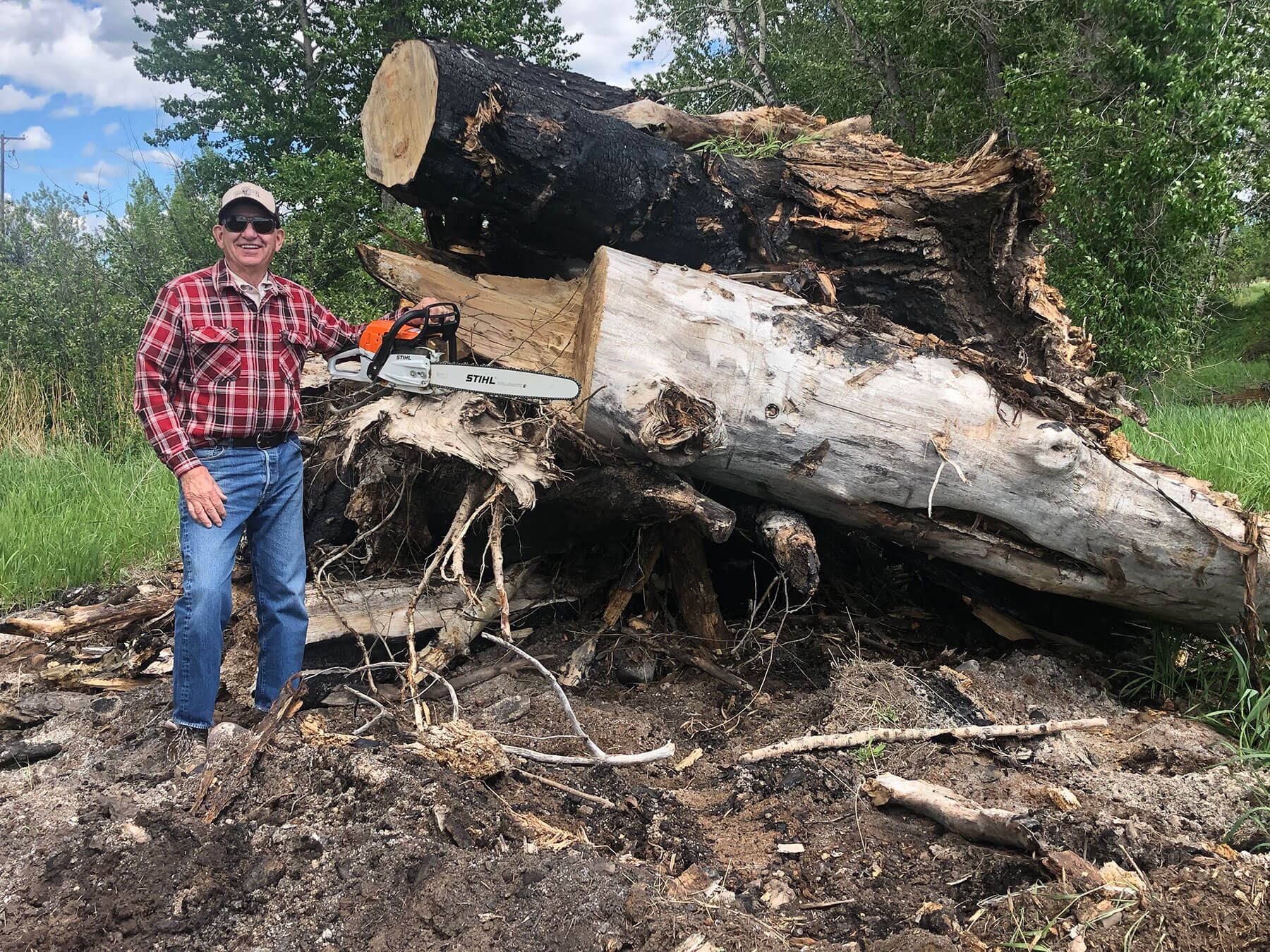
Montana rancher and environmentalist John Baden writes about the changes caused by the October 2020 removal of wolves from the Endangered Species list. Now, ranchers are allowed to kill wolf predators. But should they? Here are highlights. The full story is available on FREE Insights. John writes: “Beautiful and valuable registered cows from Bozeman’s Hyline…
Author: John Baden
Now the Good News: Montana Is Warmer
Compared to much of America, Montana has always been a harsh place to live. It’s high, dry, and cold. This kills bugs and discourages many others. But things are changing, many for the better. Here are the major climatic changes my wife, Ramona, and I witness from our ranch in Gallatin Valley, Montana, elevation one…
Christians Should Be Realistic When Protecting God’s Creation
It’s harvest season in much of America, and the nation’s houses of worship are filled with prayers of thanksgiving for nature’s bounty. Calls for commitments to honor God’s creation are highly appropriate. How can we best accomplish this rewarding but difficult environmental mission? A good beginning is to separate pious but unrealistic pronouncements from prudent…
Protecting Our Natural Surroundings
I divide environmental topics into two sometimes overlapping groups, “romance” and “sludge.” The romance sector includes parks, forests, wildlands, wilderness, wildlife, and scenic vistas. These treasures grace calendars and coffee table books. Most educated and comfortable adults, even committed urbanites, are attracted to and want to protect this sector.
The second division is sludge. This term refers to nasty stuff that is often the necessary byproduct of legitimate productive activities such as food processing, mining, and manufacturing. These are spillovers from legitimate and useful activities.Economists call this category negative externalities. They ask: How might we efficiently reduce them—or even better, convert them into useful products?
That’s exactly what environmental entrepreneurs did when they converted the wood waste and scrap from lumber mills into valuable wood panels. Those panels replaced plywood—which had replaced boards formerly cut from old growth trees. Lesson here? In a market process economy, superior substitutes naturally evolve.
We can’t live without some sludge; it’s inherent in living and using products from the earth. While recognizing this, I choose to work in the romance arena. Had I elected to focus on sludge, I’d live in Boston and study its harbor. Instead, I live on a ranch between Bozeman and Yellowstone Park and study my surrounding habitat. Thus, I work in the tradition of America’s first conservationists.
America’s old-line conservation organizations were primarily concerned with the romance sector of their environment, largely with protecting wildlife.
John A. Baden
Founder of the Foundation for Research on Economics and the Environment (FREE), located in Bozeman, Montana. Baden and his wife, Prof. Ramona Marotz-Baden, are skiers and cyclists. They manage a productive ranch in the Gallatin Valley of Montana and enjoy active and happy lives.